Travelling abroad with kids brings its own set of challenges, especially when it comes to unexpected situations.
Our family adventures overseas have not always been plain sailing; my children can be (… whisper it)…. Accident prone. We’ve had broken limbs, burns, infections, insect bites, and more on our trips, all of which required a trip to the doctor and, in some cases, the hospital.
I’ve learnt valuable lessons and insights through past mistakes. I’ve now got a list of practical tips to share, for better preparation and smoother travels with kids, for when things don’t go according to plan.
In this blog post, I’ll delve into practical strategies for handling emergencies and accessing healthcare while traveling with little ones. From proactive planning, to staying calm under pressure, these are all the things I wish I had known before!
1. ALWAYS get travel insurance
… and ALWAYS have the policy number and phone number for the insurance company printed out.
Most people know that they need to get travel insurance before they go overseas, especially when with the kids. I always get the best travel insurance possible and make sure it covers things like repatriation.
What caught me out was that when needing emergency hospital treatment in Nepal for altitude sickness, they would not admit or treat us without before we had provided our insurance policy details, and they had confirmed cover.
This was a total shock to me, as being from the UK, I was used to having free medical care whenever I needed it, no questions asked. Of course, I knew that I needed to be insured, but I had presumed this would be sorted out at some point, well, later, not prior to treatment!
Luckily, we had all the details to hand with our passports and comprehensive insurance, which meant we then quickly got the medical care we needed.
2. Get a GHIC- Global Health Insurance Card (or equivilant)
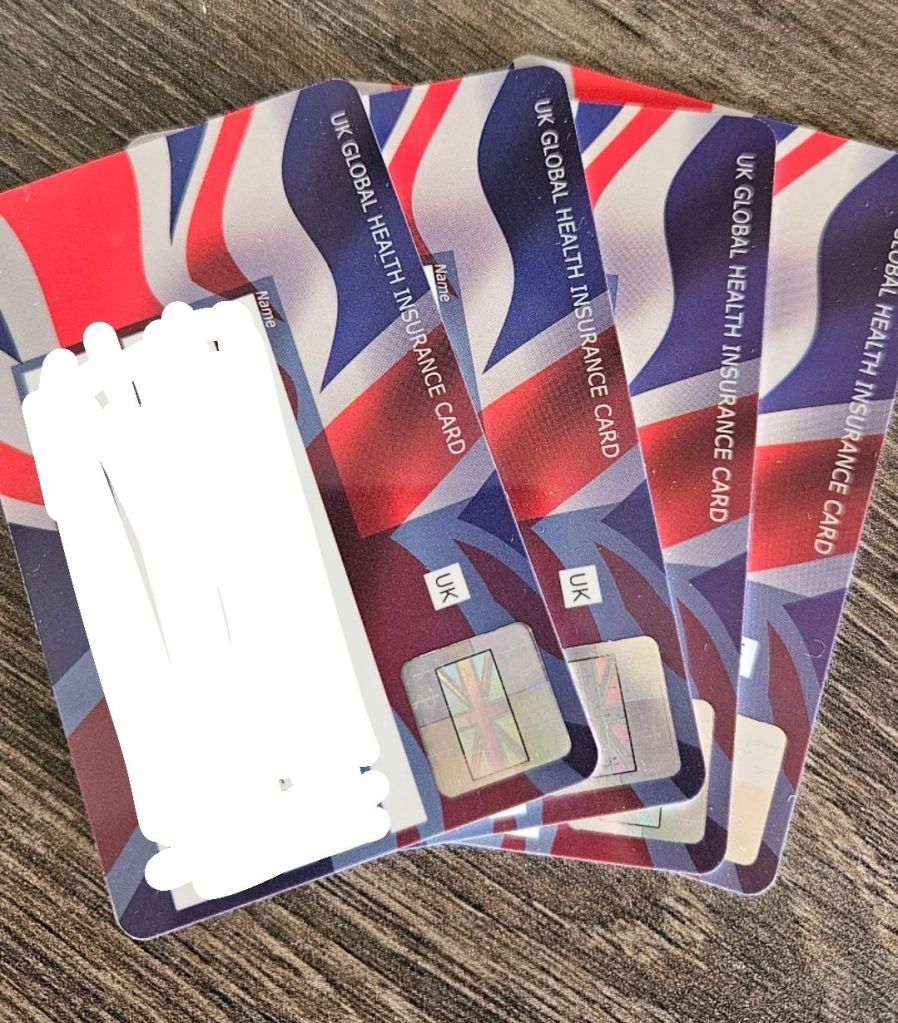
If you are from the UK, you will need to have a GHIC to access medical treatment when travelling in Europe. This allows the bearer to have medical treatment for free or charged at the same cost as a resident of that country. ( If you are not from the UK, it is worth seeing what your equivilant documents are and what you are entitled to abroad).
We have been to Europe 4 times with the kids, twice post brexit, and to my shame, this year is the first time I have got GHIC for us all. I had presumed that our travel insurance was enough to have us covered, but as I discovered last year in Switzerland, unfortunately, this was not the case.
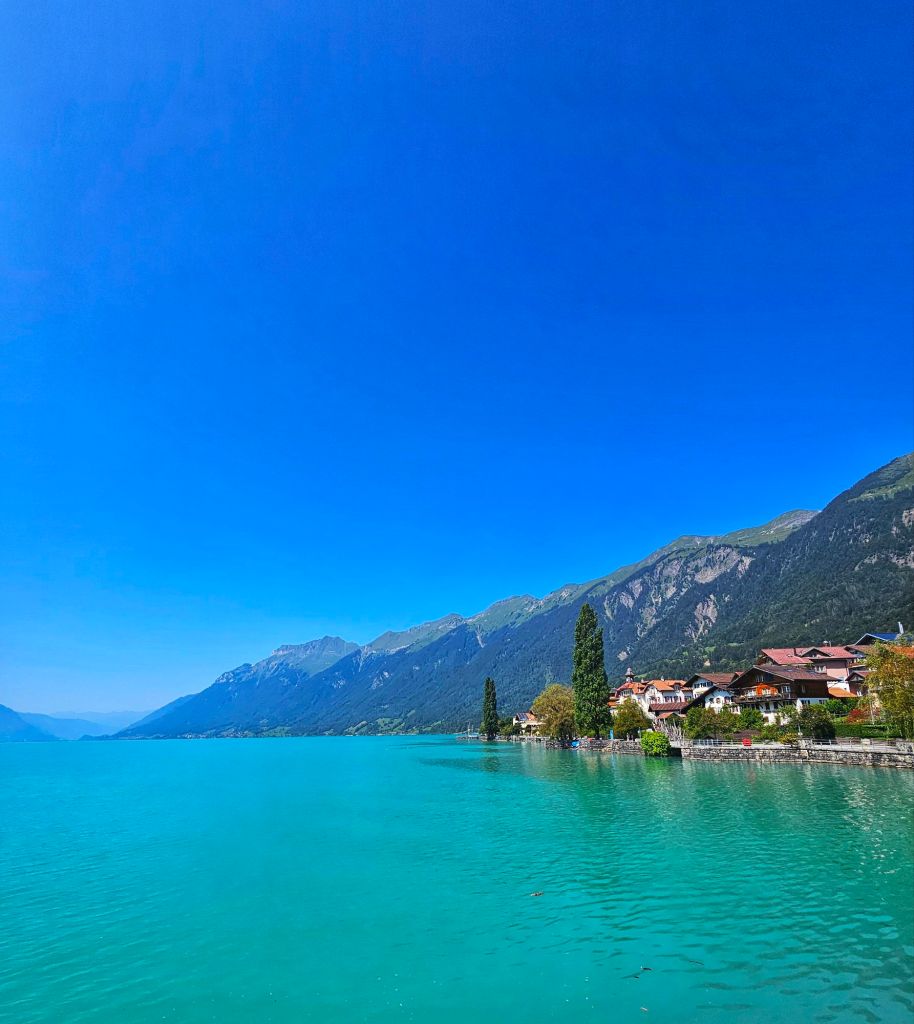
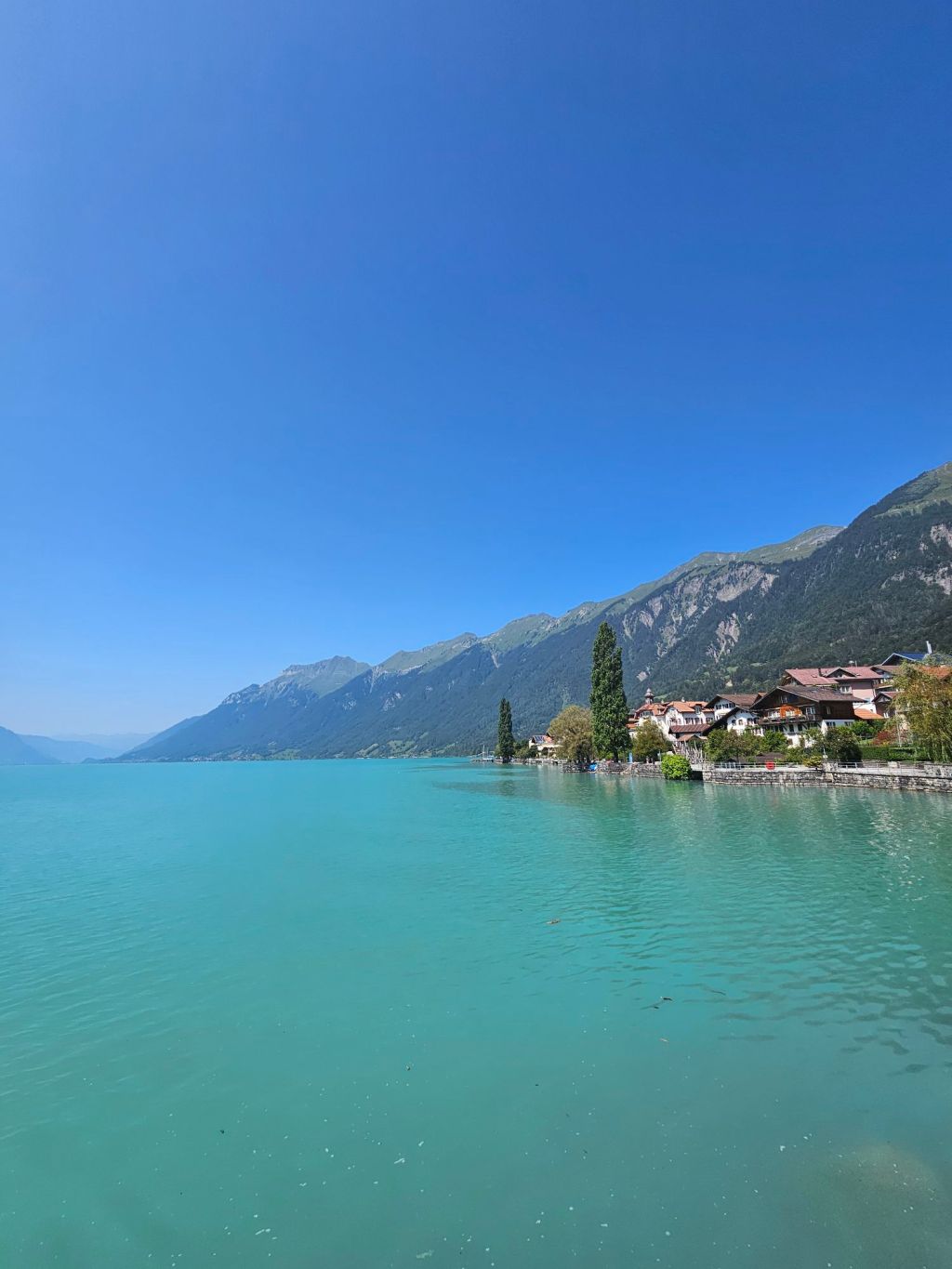
My son had a small blister on his toe, which quickly became infected and started tracking up his leg; not a good sign. After a bit of palava (this could have been avoided- more on that later), we saw a peadiatrician and was charged hundreds of Swiss Francs for the consultation and treatment.
We paid for the treatment on a credit card, but unfortunately, not having a GHIC had voided our travel insurance! So we were unable to make a claim.
I feel lucky that it was only hundreds of Francs; imagine if it had been something more serious- we could have really been in trouble.
Click here to apply for a GHIC
3. Have a credit card for emergencies
I have always been quite credit averse and prefer to have enough savings, plus a contingency fund, to cover all the trip costs. Pre kids I never travelled with a credit card (Something I feel was really reckless, in hindsight!)
Since having the boys we have a travel credit card we take on every trip, and we have needed to use it countless times, to cover unexpected medical costs (as well as to swipe for rental cars, campervans, rooms deposits). Having the extra security of the credit card is something I will now never be without.
4. Know how to contact the emergency services
While we were camping in Australia, I was biten by a tick, and I became infected with a tick born illness. I went from having an annoying, infected bite to being very ill, very quickly.
We needed to get to the hospital fast; our phones were not set up to make calls from overseas. As we had a car, and data, my husband drove me to the nearest hospital (and I spent NYE 22/23 in a quarantined hospital room in Melbourne!)
We had a rental car and spoke the language, this time. Had we been in a non-English speaking country, I’m not sure we would have been able to ring the emergency services and communicate with them to explain what was happening and where we were, and you cannot rely on local people speaking English to help you out. Many times, I have not even known what the emergency services number is in the country I’m in!
It’s just not acceptable when you are responsible for kids’ safety. Now we always have the emergency number for all the countries we are visiting, plus a translation of usefully phrases (e.g. I/ my child/ needs emergency medical care/ this is our location). We also make sure that at least one of us has a phone that can make and receive calls abroad.
5. Stay calm under pressure
Staying calm under pressure is crucial. Panicking can cloud judgement and hinder decision making. Although it is easier said then done, things like the box breathing technique and calming self talk can help to alleviate anxiety in the moment. Read some more tips on how to keep calm in an emergency here.
6. Use your common sense
If you are not able to keep calm then you are less likely to think clearly, and common sense is likely to go out of the window! earlier when I told you about are trip to the doctor in Switzerland, I mentioned that there was a lot of palaver involved before we saw the doctor! We were on a Eurocamp site and when we noticed our sons foot had an infection tracking up his leg, we immediately panicked and thought it was the beginning of sepsis (it wasn’t).
The Eurocamp reps for the site were not in the office (out of hours) so we went to the reception where the young woman told my that children were not able to be seen in the local town (Interlaken) and we would have to go to A& E in the capital (Bern). My husband came back very worried and we loaded the kids in to the car and started heading to Bern in a panic (my child with the infection seemed fine though). On the way to Bern my panic began to subside and I thought about things more clearly; it seemed very unlikely that all children living in Interlaken would have to go to A&E to see a doctor; what would a local do? What would I do at home?
As we were driving, I remembered the emergency mobile number given to us by the campsite reps. We spoke to the rep and it turns out that what had been lost in translation with the receptionist was that Interlaken had a children’s hospital that we had driven right past! There was no need to go all the way to the massive hospital in Bern, and the rep wasn’t sure why it had been suggested to us. Further more, even though the walk in clinic in town did not treat children, they were able to refer to a paediatrician – that was right across the road.
We turned the car around and headed back to Interlaken, and saw a paediatrician within 30 minutes in a private doctors office. They prescribed some antibiotics for the infection and that was that; we saved ourselves the stress and expense of needlessly spending a whole day in hospital for an infected toe. Lesson learnt; next time we will use our common sense and try not to panic!
7. Pack a decent first aid kit
We were in the middle of the bush, camping in Australia in a beautiful remote campsite a few hours from the nearest town or village. We were having a grand old time until my youngest, who was 3 at the time, lay his for arm on a hot gas barbeque. It was a nasty burn. We had no signal to access the internet or phone calls (Our phone didn’t make calls internationally anyway – something we make sure to have access to every trip since).
Having a basic knowledge of first aid, I took him to the toilet block and lay him on the sinks with his arm under cool running water, while my husband went to fetch help. Thankfully, the campground had an office (which was manned), and they made a call for us to the Nursing care line of Victoria ( the NHS 111 equivalent in the UK). We were advised by a doctor on the phone to wrap the burn in cling film to keep it clean and to see a doctor as soon as possible. My husband went round asking some of the other campers for some cling film as we had none.
Would you believe that the first person he asked was a paediatric doctor who worked in a burns clinic in Sydney! Talk about serendipity! This amazing woman cleaned and dressed my son’s arm with her supplies in her first aid kit and advised it should be ok until the morning, when we could make our way to hospital to have it redressed.
Another tip learnt- now we always travel with a fully stocked first aid kit – including cling film and burn gel. To be honest, it’s also a good idea to learn some basic live saving skills and we are going to do a paediatric first aid course. Click here to read what should be in your standard first aid kit. I also always take my non contact digital forehead gun thermometer, which is really accurate, so I know if one of the kids has a temperature or not. I’ve spent many a night trying to decide of one of them has a fever and its not fun, so now we always bring it with us.
7. Think ahead
In the past I have been a spontaneous person who had the philosophy of ‘I’ll cross that bridge when I come to it’. Since having the kids and some of the emergency situations I have been in, at home in the UK (my son stopped breathing as an infant, and my toddler broke his leg while out – also in the UK), and the hospital trips we have required when travelling have forced me to think more responsibly and ask myself the question, How would I manage this situation in an unfamiliar country, where I don’t know the systems and I dont know the language? Just making a few small precautions such as photocopying documents, ensuring we have a way to communicate and ways to help ourselves should we not have access to our phones or the internet are small ways to negate the risks. What we have taken away form our experiences is that we love travelling and will continue to do so. Taking some risks is part of living but a bit of prior planning can really save the day in an emergency situation!
Do any of you have any tips and advice to share that has helped you out in a dire situation when traveling We would love to hear about it in the comments below!
***

Hi! I’m Lizzie, a mum of two living in the Cotswolds. Here on Travel Happy Family, I share all of our travels with you, where we’ve been, how we got there, and how much it cost!
If you are looking for ideas on where to travel with your kids, inspiration for new destinations, or just want to follow us on our journey, welcome, and I hope you find what we write helpful.
Happy travels!

 Travel Happy Family
Leave a comment